Best Rudraksha 2027 — Choose the Right Mukhi
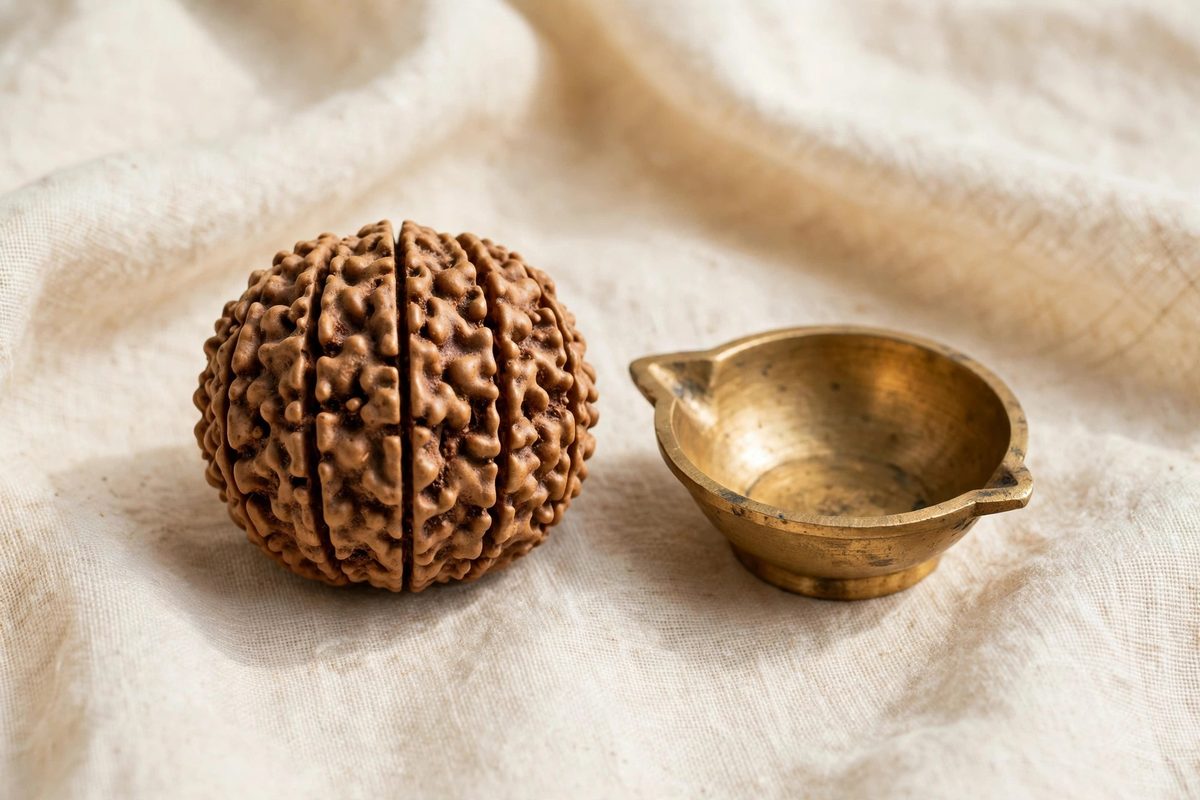
There is no single best rudraksha for 2027. The right bead is the mukhi whose traditional deity and planet match your practice, sold on a listing that states the count honestly and prices rarity — not power. In 2027, one thing does change: Shani moves into Mesha on 3 June, and four Moon signs change Sade Sati phase.
| Short answer | No single mukhi is "the best". Choose by tradition (deity, planet, or a simple first bead), check the line count yourself, and read price as rarity. |
|---|---|
| What changes in 2027 | Shani first moves into Mesha (Aries) on 3 June 2027. Mesha moves from the first Sade Sati phase to the peak; Meena from peak to final; Kumbha's Sade Sati ends; Vrishabha's begins. |
| Price examples checked 13 November 2026 | 5 Mukhi Rudraksha listed at ₹841; 1 Mukhi at ₹4,999; Gauri Shankar at ₹14,999 — all inclusive of all taxes. Check the page for the current price. |
| Certificates | No authenticity certificate is included with the 5 Mukhi Rudraksha bead sold on Rudra Sacred. Ask any seller to show a certificate before you trust the claim. |
| Range | Rudraksha 1 to 14 Mukhi, plus Gauri Shankar — the naturally joined pair. |
| Search demand | Google Search Console, 12 November 2026: "best rudraksha" earned 3 impressions and 0 clicks at position 61; "who can wear 2 mukhi rudraksha" and "who can wear 3 mukhi rudraksha" are real questions buyers are asking with no good answer yet. |
| If you are choosing by | Look at | Why |
|---|---|---|
| A first bead, kept simple | 5 Mukhi | The most widely worn mukhi in tradition, available as single beads, malas and bracelets |
| A planet association | The mukhi whose graha matches, below | Buyers who follow jyotish usually choose by the planet link in tradition |
| A deity association | The mukhi whose deity matches, below | Devotees often choose by the deity they worship |
| Rarity, or a joined form | 1 Mukhi, or Gauri Shankar | The rarest single form, and the naturally joined pair — both priced by scarcity |
Which mukhi should a first-time buyer choose in 2027?
Start with 5 Mukhi, unless you are choosing by a planet or a deity. In tradition, the 5 Mukhi is the most widely worn mukhi, available as single beads, malas and bracelets at a modest price because the form is common. Its traditional association is with the deity Kalagni Rudra (Shiva) and the planet Jupiter.
The 2027 date does not change that advice. A new year does not make a different mukhi "the best" — the mukhi list is the same list it has always been, and the bead that fits you is the one that fits your practice, not the calendar. What 2027 does change is the Sade Sati picture for four Moon signs, covered in its own section below, because it is a chart question, not a buying question.
If you are choosing by jyotish or by devotion instead, ask three questions before you spend anything: by a planet, a deity, or simply for a first bead? Daily wear, or for puja? And what is your budget, knowing that price follows rarity? A planet or deity answer points to one or two rows of the table below; a first-bead answer points to 5 Mukhi; the budget answer rules out the rare forms honestly.
Does a higher mukhi mean a stronger bead?
No. Nothing in the traditional lists ranks one mukhi as stronger than another in a measurable way, and no study has found that a bead's line count changes anything for the wearer. What changes with the count is rarity: some forms grow far less often, and the market prices that scarcity.
That is why a 5 Mukhi bead is listed at ₹841 while a Gauri Shankar — two seeds fused naturally, which is uncommon — is listed at ₹14,999. The price gap records how hard each form is to source, not a scale of power. A seller who prices a higher mukhi as "more powerful" is selling a story, not a bead.
Here is the full range listed on Rudra Sacred on 13 November 2026, with the traditional deity and planet for each mukhi. Prices include all taxes; check the page for the current price.
What changes for rudraksha buyers in 2027?
One date matters, and it is a chart date, not a shopping date. Shani (Saturn) first moves from Meena (Pisces) into Mesha (Aries) on 3 June 2027, returns to Meena briefly from October 2027, and leaves Meena finally on 23 February 2028 (Lahiri ayanamsha). Sade Sati is always counted from your Moon sign, not your Sun sign — check it in your kundli before reading this table.
During the short return to Meena from October 2027, these phases temporarily step back one place — Mesha back to the first phase, Meena back to the peak, Kumbha back to the final phase, and Vrishabha's newly begun Sade Sati temporarily pauses (back to not in Sade Sati) — until Shani leaves Meena finally on 23 February 2028. That is the date the new pattern settles.
This table does not tell you which bead to buy. A phase change is a reason to check your chart and steady your routine, not a reason to buy a mukhi. If a seller tells you a particular mukhi is "required" because your phase changed in 2027, that is a sales line, not a tradition. Which mukhi fits a particular person belongs to a chart reading, not to a buying guide.
| Moon sign (Rashi) | Phase in 2026 | Phase from 3 June 2027 | What changes |
|---|---|---|---|
| Mesha (Aries) | First — Rising | Second — Peak | Shani moves onto your Moon sign; tradition reads this as the most intense phase |
| Meena (Pisces) | Second — Peak | Third — Setting | Shani moves to the 2nd from your Moon; the traditional focus shifts to money, family and speech |
| Kumbha (Aquarius) | Third — Setting | Sade Sati ends | Shani moves to the 3rd from your Moon; the cycle that began in January 2020 closes |
| Vrishabha (Taurus) | Not in Sade Sati | First — Rising | Shani moves to the 12th from your Moon; a new Sade Sati begins |
How do you count the lines on a real bead?
Hold the bead to a bright light and count the lines that run unbroken from the top of the bead to the base, turning the bead slowly. On a natural bead the lines are grooves in the surface, uneven in depth. A mukhi is one face of a rudraksha bead, counted by the lines running from its top to its base — a fact of the seed's natural growth, like the segments of a fruit.
Lines that look scratched on, evenly spaced and identical all the way round are a warning sign of a carved copy. Natural beads are not perfectly uniform — that variation is one sign of a natural seed rather than a manufactured copy.
For Gauri Shankar, check that the two beads share one natural body — a joined pair grows as a single piece, while a fake is two beads glued together, usually showing a seam or a colour difference at the join. Before buying any higher mukhi, ask for clear close photos of the actual bead: a rare form is the worst thing to buy blind.
What should a rudraksha listing show you?
A good listing answers your questions before you ask them. If you have to message the seller to learn the mukhi count, the price, or what is in the box, the listing has already failed its first test.
The count, in a number. The listing should state the mukhi plainly — "5 Mukhi", not "powerful rudraksha". The 5 Mukhi Rudraksha page states the count, the traditional deity and planet, and the price on one page. A listing that hides the count behind words like "original" or "energised" gives you nothing to check against. The same pattern holds for the other mukhis: the 6 Mukhi Rudraksha page states its count, its traditional deity Kartikeya and planet Venus, and its price of ₹751 inclusive of all taxes at the time of writing.
The price, with the reason visible. Price follows rarity, and the listing should let you see that. A 5 Mukhi at ₹841 and a 1 Mukhi at ₹4,999 is a rarity gap you can understand; a listing that charges a rare-form price for a common form is one to walk away from.
The certificate position, stated not implied. No authenticity certificate is included with the 5 Mukhi Rudraksha bead sold on Rudra Sacred, and the page says so. That is a weaker claim than "lab certified", and a more honest one, because it is true and checkable. A seller that prints "certified original" with no certificate to show is making the stronger claim — and the one you should trust less.
Care and wear notes. Natural seed items vary slightly in colour, size and markings, and thread and elastic wear over time. Keep the bead dry and away from perfume, soap and chemicals; many wearers oil a bead occasionally with a plain oil, as a customary practice, and wipe off the excess. A natural bead darkens slightly with wear; that change is expected and is not damage.
What if the bead arrives damaged or wrong?
Do not wear or use the bead, and keep the parcel and packing. Photograph the parcel, packing and bead — it helps the claim move faster, though on Rudra Sacred it is not a condition for a valid claim. Then report it with your order number within 48 hours of delivery: a genuine fault — damaged, wrong, defective, or not delivered — is assessed within 2–3 business days, and the seller arranges a replacement or a refund of the amount paid, with return shipping for the seller's fault paid by the seller; refunds reach the original payment method within 5–7 business days. If the lines are hard to count, hold the bead to a bright light and count again slowly — a faint line still counts if it runs unbroken from top to base. A count that is plainly wrong is a wrong item, and the replacement terms cover it.
| 1 Mukhi | Shiva · Sun — listed at ₹4,999 |
|---|---|
| 2 Mukhi | Shiva-Parvati (Ardhanarishvara) · Moon — listed at ₹751 |
| 3 Mukhi | Agni · Mars — listed at ₹751 |
| 4 Mukhi | Brahma · Mercury — listed at ₹751 |
| 5 Mukhi | Kalagni Rudra · Jupiter — listed at ₹841 |
| 6 Mukhi | Kartikeya · Venus — listed at ₹751 |
| 7 Mukhi | Mahalakshmi · Saturn — listed at ₹999 |
| 8 Mukhi | Ganesha · Rahu — listed at ₹1,101 |
| 9 Mukhi | Nav Durga · Ketu — listed at ₹771 |
| 10 Mukhi | Vishnu · Jupiter — listed at ₹999 |
| 11 Mukhi | Hanuman · Mars — listed at ₹3,999 |
| 12 Mukhi | Surya-Vishnu · Sun — listed at ₹3,999 |
| 13 Mukhi | Indra and Kamadeva · Venus — listed at ₹3,999 |
| 14 Mukhi | Shiva and Hanuman · Saturn and Mars — listed at ₹4,999 |
| Gauri Shankar | Shiva and Parvati · Moon — two beads joined naturally — listed at ₹14,999 |
Before you buy any mukhi, run these checks. Count the lines yourself from clear photos: natural lines are grooves of uneven depth, while carved lines look scratched and too regular. Check a Gauri Shankar for a glue seam. Treat perfectly uniform, identical beads sold as rare natural forms with suspicion — nature does not produce identical seeds.
No authenticity certificate is included unless a product page says so, and natural variation in size and markings is normal. The price differences between mukhis reflect sourcing rarity, as this guide explains.
Products in this guide
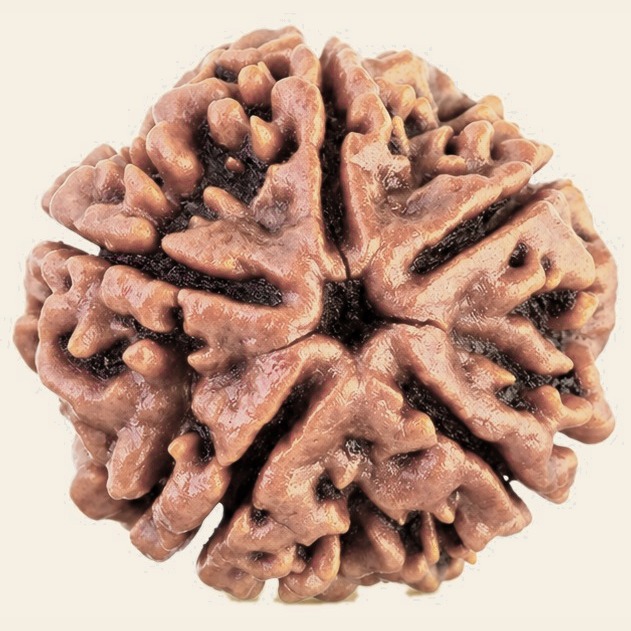
5 Mukhi Rudraksha
The most widely worn mukhi; tradition links it with general wellbeing and a calm mind.
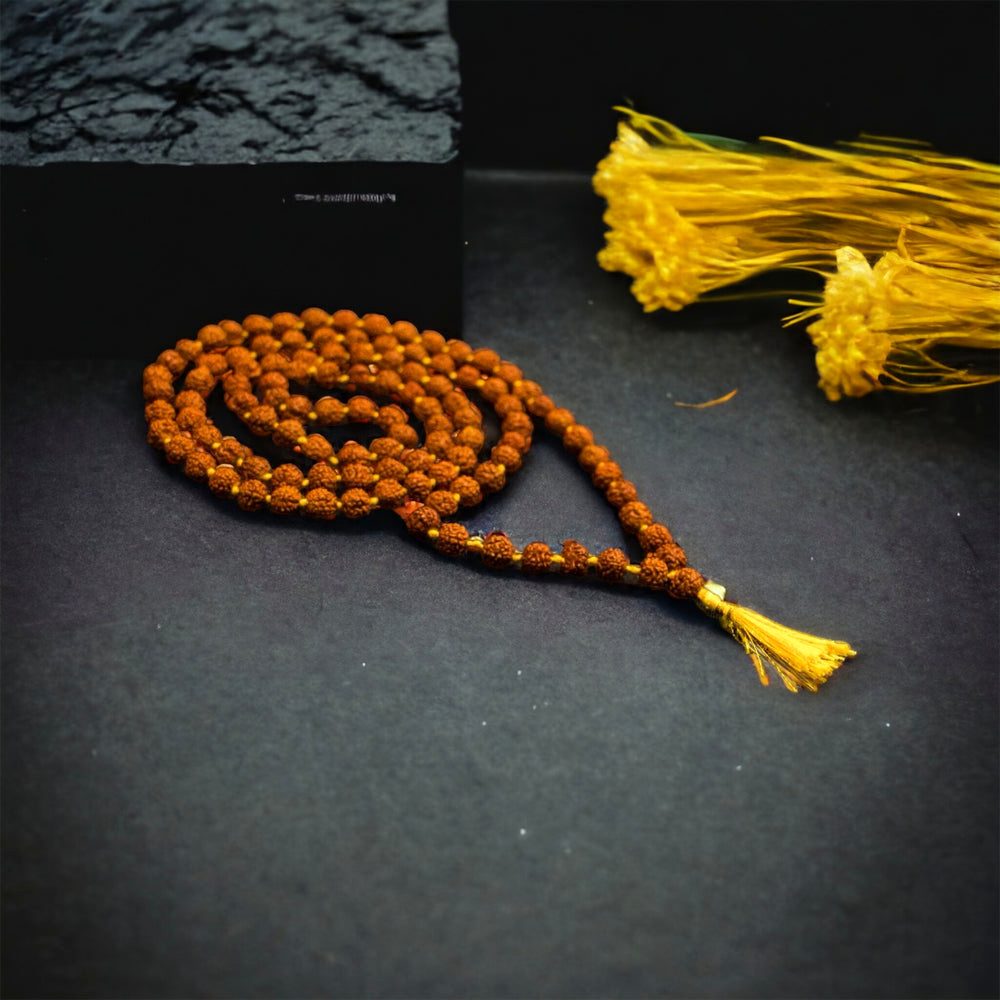
Rudraksh Mala — 109 Beads
A knotted rudraksha mala with 109 beads for japa and prayer.
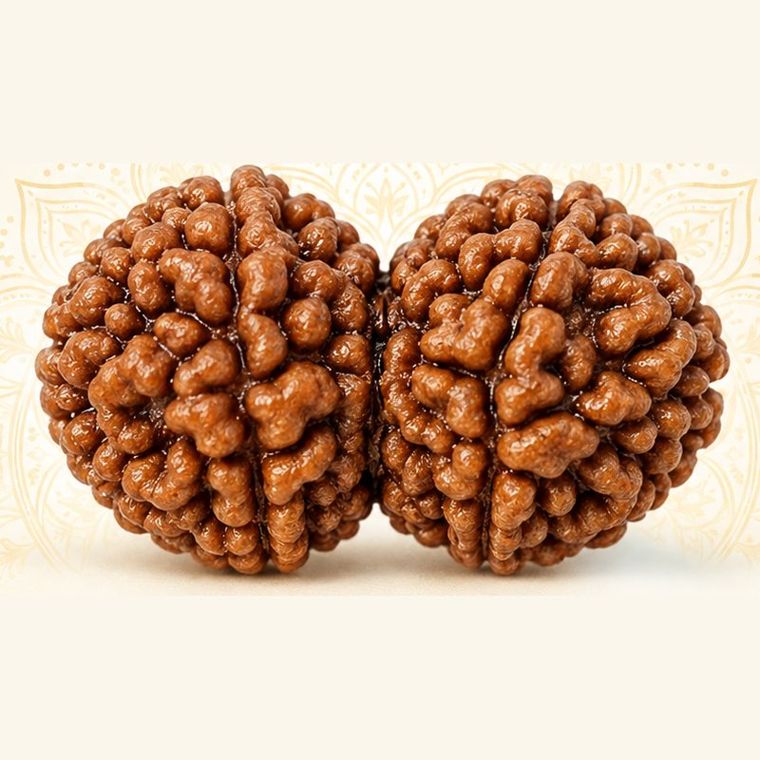
Gauri Shankar Rudraksha
Two rudraksha beads naturally joined as one — tradition reads it as Shiva and Parvati together, a symbol of union and harmony.
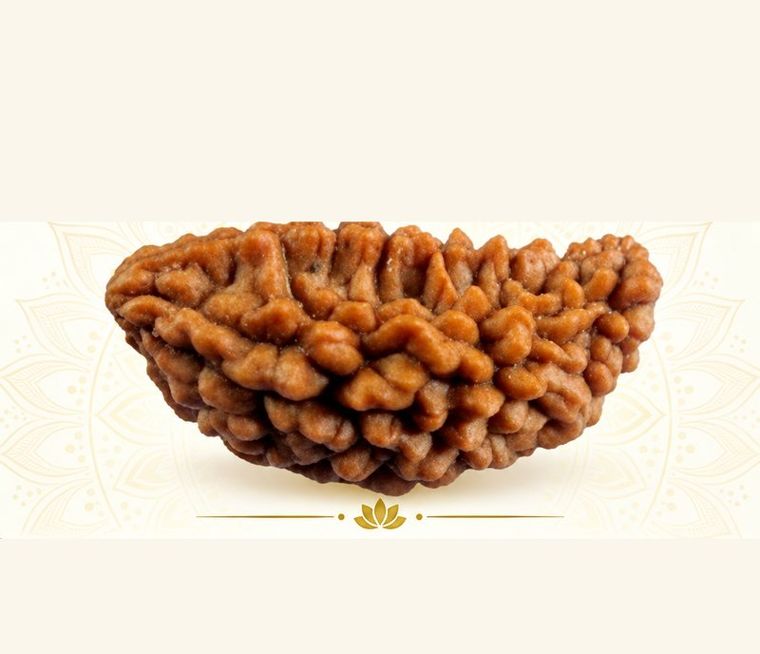
1 Mukhi Rudraksha
The rarest form in the tradition, linked with focus and self-realisation; the genuine bead is half-moon shaped.
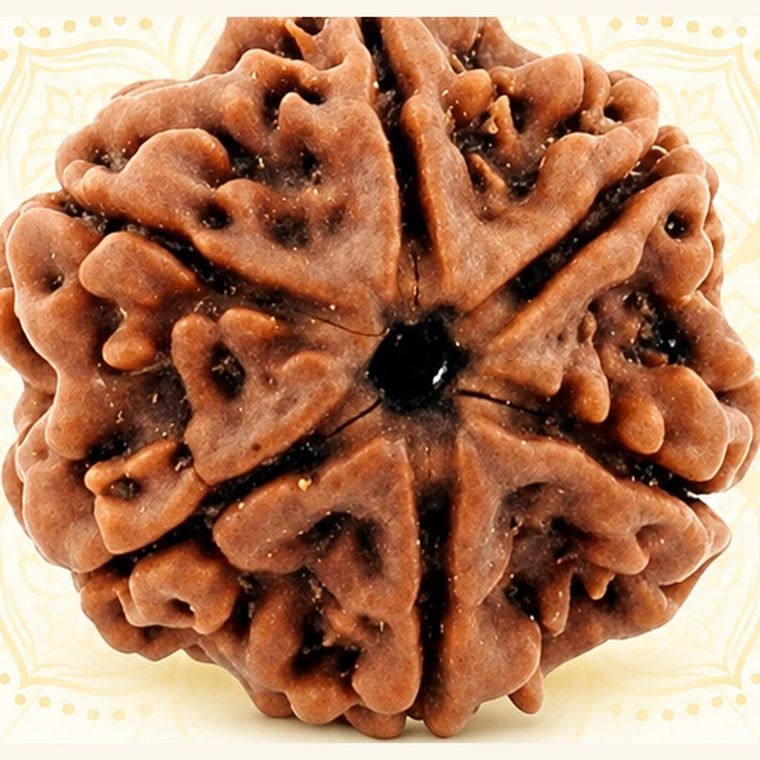
6 Mukhi Rudraksha
Traditionally linked with willpower, focus and staying grounded.
What do buyers ask us?
Which rudraksha is the best in 2027?
No single mukhi is the best. The right bead is the mukhi whose traditional deity and planet match your practice — or, for a first bead, the 5 Mukhi, the most widely worn mukhi in tradition, listed at ₹841 on Rudra Sacred. What changes in 2027 is the Sade Sati picture: Shani moves into Mesha on 3 June 2027, and Mesha, Meena, Kumbha and Vrishabha change phase. A phase change is a reason to check your chart, not to buy a different bead.
Who can wear 5 Mukhi Rudraksha?
In tradition, the 5 Mukhi is the general bead — the most widely worn mukhi, and the usual first bead for anyone starting with rudraksha. If you are choosing by jyotish rather than by a first bead, the choice follows the planet or deity link in the tradition — for 5 Mukhi, Kalagni Rudra (Shiva) and Jupiter. Which mukhi fits a particular person belongs to a chart reading, not to a buying guide.
What if I buy the wrong mukhi?
First, check whether it is actually wrong: count the lines in bright light — a faint unbroken line still counts. If the count is genuinely different from the listing, that is a wrong item, and the replacement terms cover it: report it within 48 hours of delivery for a replacement or a refund of the amount you actually paid. If the count is right but you wish you had chosen differently, that is a change of mind — check the size, count and price on the product page before ordering, not after.
Which mukhi is best for a first bead?
The 5 Mukhi. It is the most widely worn mukhi in tradition, available as single beads, malas and bracelets, and its price is modest because the form is common — ₹841 on Rudra Sacred at the time of writing, with no authenticity certificate included. If you are choosing by a planet or a deity instead, use the three-question shortlist in this guide before you spend anything.
Can I wear rudraksha every day?
Tradition treats rudraksha as a daily-wear item, and the 5 Mukhi is the usual daily bead. Keep the bead dry and away from perfume, soap and chemicals, oil it occasionally with a plain oil, and store it in a cloth pouch. Thread and elastic wear with daily use and will need replacing in time — that is normal maintenance, not a defect. A natural bead darkens slightly with wear; that change is expected and is not damage.
What if the bead arrives damaged?
Do not wear or use it. Keep the parcel and packing, photograph them, and report it with your order number within 48 hours of delivery. A genuine fault is assessed within 2–3 business days, and the seller arranges a replacement or a refund of the amount paid. Natural variation in colour, size and markings is not a defect.
Rudra Sacred product and guide pages, read 12 November 2026: the Rudraksha Mukhi Guide and the 5 Mukhi Rudraksha product page, for the traditional deity and planet links, the counting method, and the listed prices. Prices are quoted as published on 12 November 2026 and re-checked on 13 November 2026; check the page for the current price.
Astro Sacred, Sade Sati 2026 article, read 12 November 2026: the Sade Sati phases, the 3 June 2027 Mesha ingress, the October 2027 return to Meena, and the 23 February 2028 final exit (Lahiri ayanamsha). The phase-change table here is derived from those dates by the standard counting rule — Sade Sati is counted from the Moon sign, one sign before, the sign itself, and one sign after.
Google Search Console, Rudra Sacred property, read 12 November 2026: the "best ..." queries behind this article — "best rudraksha" (3 impressions, 0 clicks, position 61) and the "who can wear 2/3 mukhi rudraksha" questions (3 impressions total, 0 clicks, positions 76–91). That is why this article answers with a choosing guide instead of a ranking: the searchers are not being answered, and a ranked list of sellers would be an invented answer to a real question.
Method: no seller is ranked in this article, because no independent test of the sellers exists to rank them on. No mukhi is ranked as "best", because no study links a mukhi count to life outcomes — the tradition ranks by association, and this guide reports the association. Every claim about a seller names the page it came from. Where the store's own page states a limit — no certificate included, natural variation is not a defect — the limit is printed here. If a published page changes, this guide should be updated and the change noted; the date above is the date the pages were read.
Related guides on this site: Rudraksha Mukhi Guide and Sphatik Mala Guide.
More product education on the Rudra Sacred blog. For astrology and festival guides, see the separate Astro Sacred blog at astrosacred.store.